
If you need assistance, please call us at (561) 422-4935.
Impact Doors Designed for Everyday Accessibility
Impact doors are an important part of storm protection and home security. Because impact-rated doors often use laminated glass, reinforced frames, and heavier hardware, they can also feel more difficult to open and close than a standard entry door. For homeowners, families, and property managers thinking about mobility needs, that makes accessibility an important part of the buying decision.
The good news is that many impact-door projects can be planned with easier operation in mind. Depending on the door style, hardware, opening size, and installation conditions, there may be options that support more comfortable day-to-day use without giving up the benefits of an impact-rated system.
Why Impact Doors Can Be More Challenging to Operate
Impact doors are typically heavier than non-impact doors for a few practical reasons:
- Laminated impact glass: The glass package is thicker and heavier than standard glass.
- Reinforced frames and components: Stronger framing, anchors, and hardware help the assembly perform as designed.
- Larger door panels: Wider or taller openings can increase panel weight and affect how the door feels in everyday use.
Accessibility Features Worth Discussing
Not every feature is available for every opening, but these are common accessibility-focused items to ask about when planning an impact-door replacement or new installation:
- Lever handles: Lever-style hardware is often easier to operate than a traditional round knob, especially for users with limited grip strength or dexterity.
- Low-profile thresholds: Where appropriate for the application, threshold design can improve ease of entry and reduce tripping concerns.
- Easier-operating hardware: Some door and hardware combinations may provide smoother, more manageable operation than others.
- Appropriate clear opening width: Door configuration and sizing can affect maneuverability for walkers, wheelchairs, and other mobility aids.
- Automatic or power-assisted operation: In some settings, automated operators or similar hardware may be considered, depending on the property type and product compatibility.
- Clear floor space around the entry: Good planning inside and outside the doorway can make the entrance easier to approach, open, and pass through.
ADA and Code Considerations
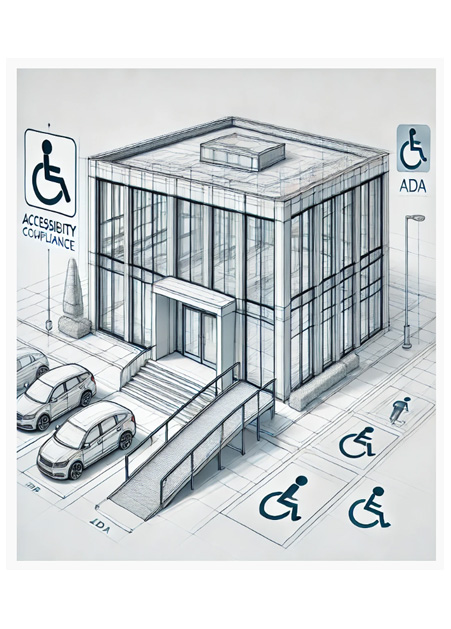
Accessibility rules can vary by project. In general, ADA requirements are most commonly associated with certain commercial properties, public accommodations, and some multifamily or common-area applications. Private single-family homes are often evaluated differently. Many homeowners still choose accessibility-focused design principles for aging in place, easier daily use, or future mobility needs.
If ADA compliance, local code, or a specific mobility requirement is part of your project, it is best to review the details with your contractor, design professional, property manager, or local building department before finalizing the door system. Product availability, threshold design, closers, and operating force can vary by manufacturer and application.
Benefits of an Accessibility-Focused Entry
- Greater independence: Easier operation can help residents enter and exit more comfortably on their own.
- Better everyday usability: Accessible features can benefit not only wheelchair users, but also seniors, children, and anyone carrying groceries, packages, or strollers.
- Safer movement through the home: Thoughtful hardware and threshold choices may help reduce strain and improve overall convenience.
- Long-term planning: Mobility-friendly design can support aging-in-place goals and make the home more comfortable over time.
If you are considering new impact windows and doors and want to discuss accessibility-friendly options, we can help you review door styles, hardware choices, and installation details for your property.
Get a free in-home estimate on new impact windows and doors. We can provide pricing information, including available financing options, without pushy sales tactics. Please call (561) 422-4935.
