
High-Velocity Hurricane Zones (HVHZ)
If you need assistance, please call us at (561) 422-4935.
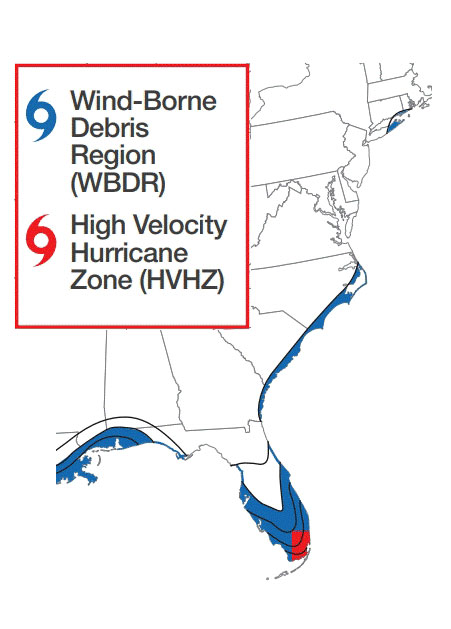
In South Florida, Miami-Dade and Broward counties are generally identified as the High-Velocity Hurricane Zone (HVHZ) under the Florida Building Code. Homes and buildings in the HVHZ are subject to stricter wind-resistance and opening-protection requirements than many other parts of Florida because these counties face some of the state’s highest hurricane-wind risks.
The HVHZ framework comes through the Florida Building Code. The Florida Building Commission adopts and updates the code, while local building departments typically handle permitting and inspections. Exact requirements can change with code updates, and the right product or installation method for one home may not be the same for another. Opening size, building type, exposure, and the local jurisdiction can all affect what is required for a specific project.
For homeowners, HVHZ usually means paying close attention to impact-resistant windows and doors, approved installation details, roof connections, garage doors, and other vulnerable openings. If you are planning improvements in Miami-Dade or Broward, it is smart to confirm current requirements with your contractor and local building department before work begins.
In addition to impact windows and doors, residents in HVHZ areas often look at the following steps to help prepare for severe weather:
Roof Reinforcement:
Strengthening the roof structure is important, as roofs often take some of the most severe wind loads during a hurricane. Depending on the home, that can include hurricane straps or clips, roof-deck attachment improvements, wind-rated roofing materials, and proper sealing of roof coverings.
Garage Doors:
Reinforced or properly rated garage doors can be an important part of the home’s overall storm protection. If a garage door fails during a major wind event, pressure changes and flying debris may increase the risk of damage to other parts of the structure.
Flood Preparedness:
Flood barriers, sandbags, and drainage improvements may help in some situations, especially during heavy rain or localized flooding. In lower-lying areas, homeowners may also want to think about elevating vulnerable electrical components and appliances when appropriate. Flood risk varies by property, so site-specific guidance may be helpful.
Landscaping and Yard Maintenance:
Keeping trees trimmed and securing loose outdoor items can help reduce the risk of debris becoming airborne during a storm. Well-maintained landscaping can also make it easier to protect patios, pool areas, and walkways before severe weather arrives.
Emergency Preparedness Kit:
Keep an emergency kit ready with essentials such as water, non-perishable food, medications, flashlights, batteries, charging options, and first-aid supplies. It is also wise to store important documents in a waterproof container or secure digital format.
Evacuation Plan:
Know your local evacuation routes and have a plan for where you would go if local officials issue an evacuation order. This is especially important for barrier islands, flood-prone neighborhoods, and households with children, pets, or medical needs.
Insurance Review:
Review your homeowners, windstorm, and flood coverage regularly so you understand what is and is not covered before storm season. Coverage needs and policy structure can vary by carrier, property location, and mortgage requirements, so it helps to confirm details directly with your insurance professional.
Backup Power:
A generator or other backup power source may help keep essential appliances and medical equipment running after a storm. If you use a generator, follow manufacturer safety instructions and all local rules for placement and operation.
Building and Permitting Compliance:
Make sure home improvements are properly permitted and installed to current local requirements. In HVHZ areas, product approvals, fastening schedules, and installation details can be just as important as the product itself.
Taking these steps does not eliminate hurricane risk, but it can help improve readiness and reduce the chance of preventable damage. For code, engineering, insurance, or flood-zone questions, always verify current requirements with the appropriate professionals or local authorities.
